*This product is a dietary supplement. It is not intended to diagnose, treat, cure, or prevent any disease. The information on this site is for historical and educational purposes only and is not a substitute for professional medical advice.
Shilajit resin is a unique natural substance with a long history of use. Below you can learn about its origins, composition, and traditional context.
The Composition of Shilajit Resin
The minerals in shilajit resin are in an ionic form. Shilajit is known for its complex natural composition, which includes a variety of trace minerals and fulvic acid.
Historical and Traditional Context
Shilajit has a documented history of use in various traditional practices. It is important to understand this context from an informational perspective. Individual experiences with any dietary supplement can vary widely based on numerous factors.
What is Shilajit Resin? Origins and Facts
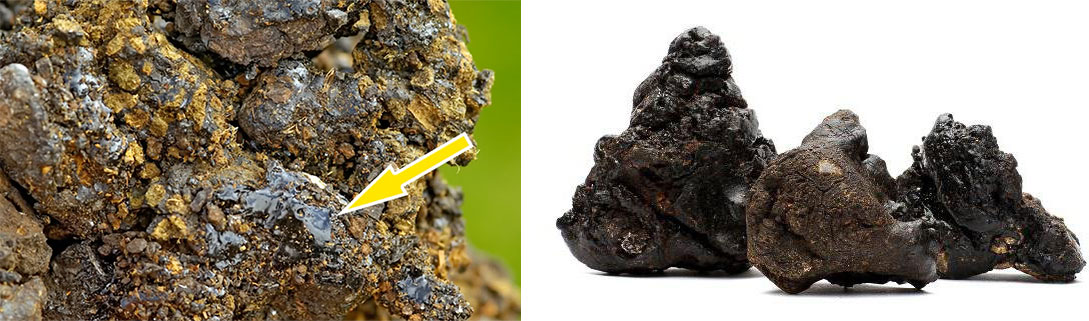
Shilajit is a natural resinous substance that seeps from rock layers in high mountain ranges such as the Altai, Himalayan, and Tibetan mountains. This dark, tar-like material is notable for its rich and complex mineral content.
It is also known as mumiyo or moomiyo. The substance is formed over millennia from decomposed plant matter compressed within mountain rocks. Each year, during warmer seasons, it naturally exudes from crevices and is collected.
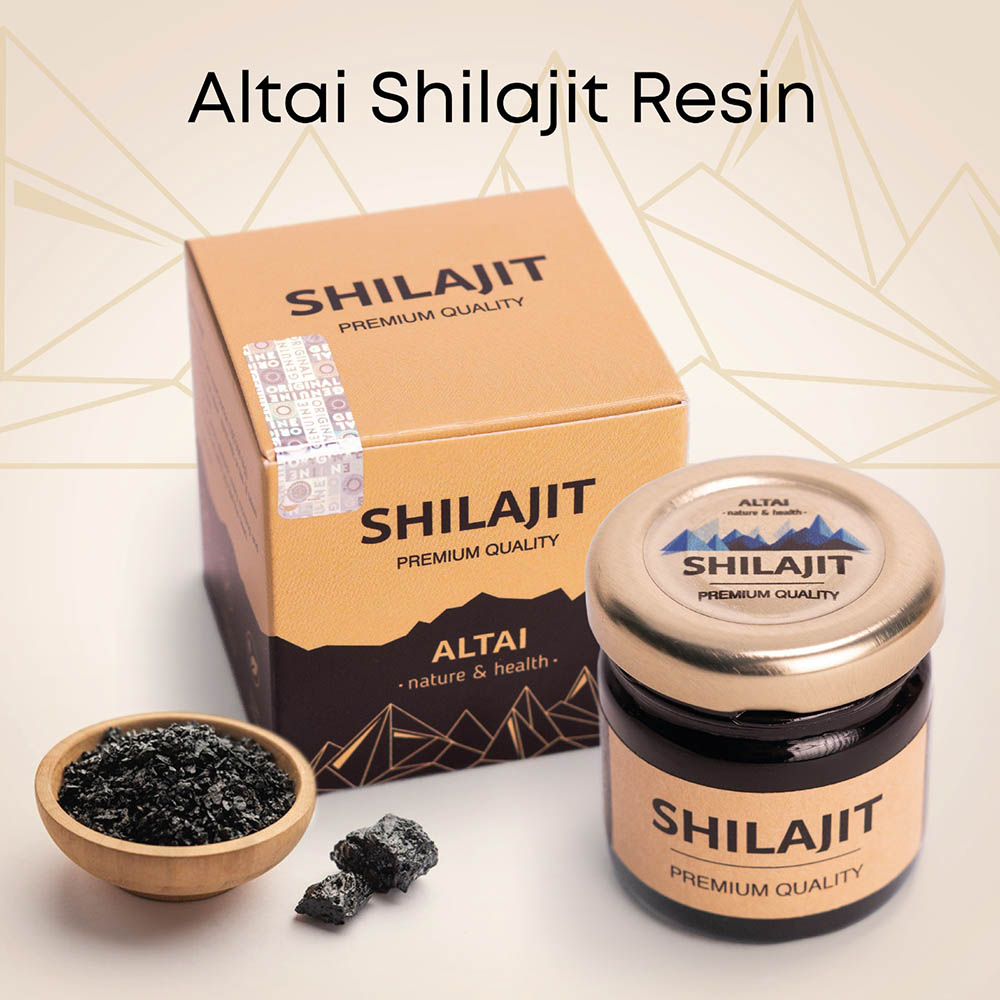
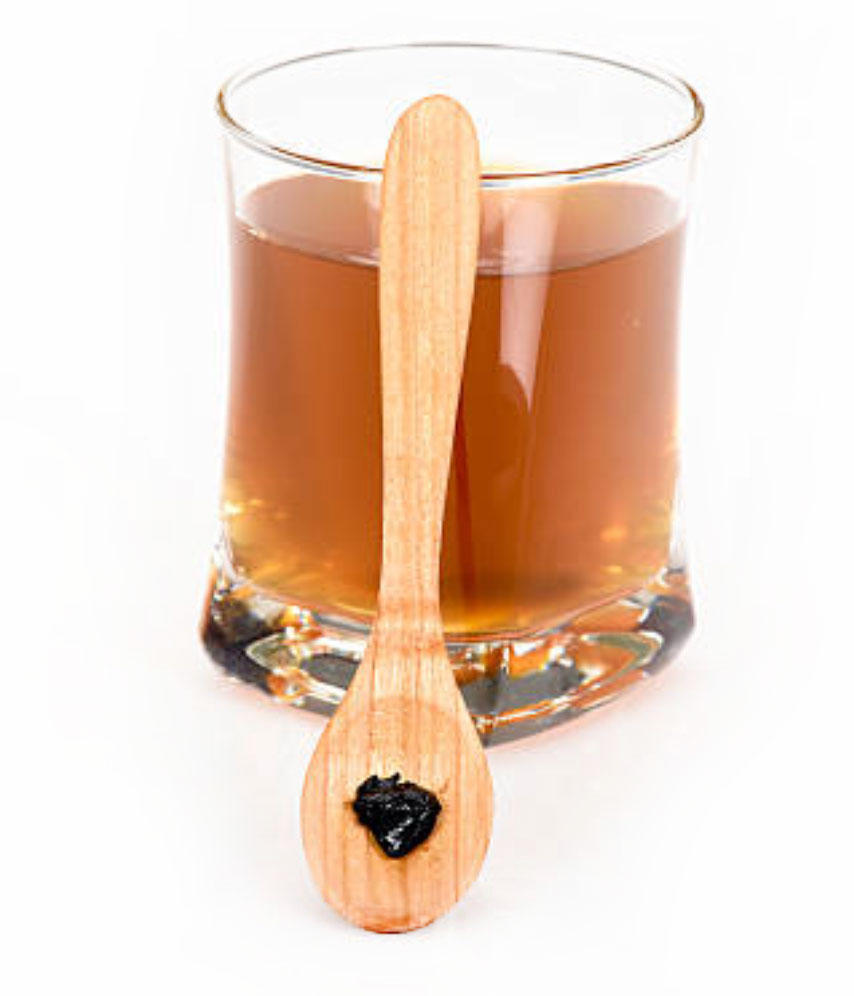
After purification to remove impurities, it becomes a soft, glossy paste that remains pliable at low temperatures. A small amount can be dissolved in water or other beverages.
Historical Note: In regions like Central Asia, shilajit is mentioned in historical texts related to traditional systems such as Ayurveda. In these contexts, it was historically categorized as a Rasayana and sometimes associated with concepts like doshas (Vata, Kapha, Pitta). We present this information for educational awareness of its cultural significance.
Its distinctive profile is largely attributed to its content of fulvic acid and a wide spectrum of trace minerals.
Shilajit is available in several forms, primarily as resin, powder, or capsules. Here is an objective look at each form:
Shilajit in Powder Form
Powdered shilajit is a common format. Quality can vary between products. A typical method of use is to dissolve a small portion (roughly the size of a pea) in a warm beverage like water, tea, or milk.
In Resin Form
In its pure, unprocessed state, shilajit is a thick, viscous resin. This form is considered by many to be the most authentic and concentrated. It ranges in color from dark brown to black.
The resin form is highly concentrated. Sourcing pure resin requires a reliable supplier. To use, take approximately 300 to 500 mg (a pea-sized amount) typically once per day, often in the morning. It can be consumed directly or added to food or drink.
Fulvic Acid, Humic Acid and Shilajit: The Scientific Context
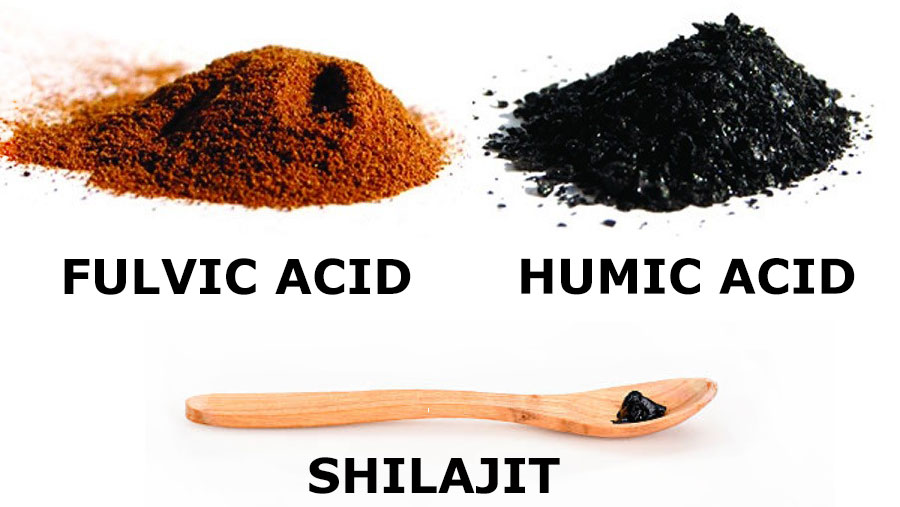
Shilajit is a natural source of fulvic acid, a type of humic substance. Fulvic acid is a key compound studied for its role in the natural composition of soil and organic matter.
It is formed during the decomposition of plant material through microbial activity. Within shilajit, fulvic and humic acids are part of the complex matrix that binds its diverse mineral and trace element content.